
Zen Pinball
Zen Studios Ltd.Arcade
4.37.82K Reviews
- Version
- 1.49.3
- Installs
- 5.00M
- Age Rating
- Everyone 10+
Screenshots
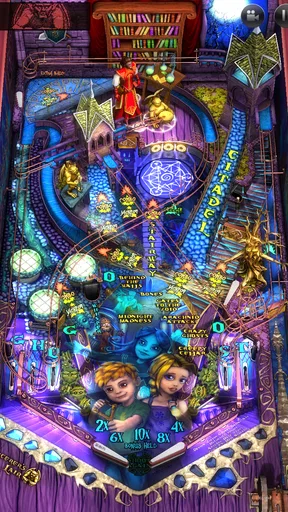



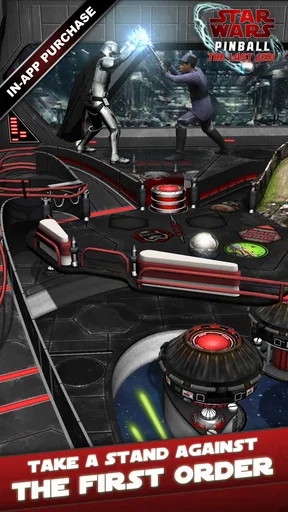

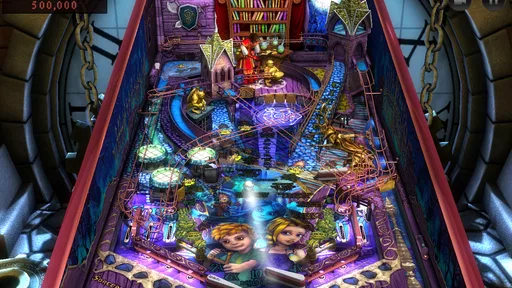

Our Review of Zen Pinball
 Analysis by Appyee
I spent time with Zen Pinball as an arcade game, and my first impression was that it is best understood as a pinball collection rather than a single short game. The familiar ball, flippers, bumpers, ramps, targets, and table objectives are all here, but the appeal comes from learning how each table behaves and gradually improving your control. That makes it easy to start for a few minutes and surprisingly difficult to master.
It is free to download, which makes trying the basic experience straightforward, although optional in-app purchases range from $0.99 to $13.99 per item. The game is suitable for Everyone 10+, and it comes from Zen Studios Ltd., a developer with a long association with digital pinball. On Android, it requires version 6.0 or later. Those details matter because this is an older game that has continued to receive updates rather than disappearing after its original launch.
How the current version feels to play
The current version is 1.49.3, and the game still works best when I treat each session as a focused arcade challenge. I can pick it up while waiting for an appointment, play a few balls, and put it down without needing to remember a complicated story or a large inventory. At the same time, the tables have enough depth to reward repeated attempts. A first run is usually about understanding the layout; later runs become exercises in choosing safer shots and recovering from mistakes.
The basic controls are easy to grasp. I use the left and right flippers to keep the ball alive, while timing and positioning determine whether a shot reaches a ramp, target, loop, or another scoring area. The challenge is not learning a long control scheme. It is reading the ball quickly, avoiding reckless shots, and knowing when a tempting target is worth the risk. That distinction gives the game more staying power than a simple reflex toy.
What I particularly like is the way pinball creates its own small stories. A ball may begin calmly, then ricochet through several objects, activate a table event, and suddenly become difficult to track. When I lose it, I usually know whether I made a poor shot or failed to prepare for the rebound. That sense of responsibility is important: the game can be unpredictable, but it rarely feels completely random.
The visual presentation supports that style. Digital pinball needs to make the ball readable while still giving the table enough personality, and Zen Pinball generally aims for a lively, detailed arcade look. The result is more theatrical than a physical machine in a quiet corner, but it preserves the satisfying rhythm of launching, aiming, reacting, and trying again.
Why the free starting point is useful
The free entry point is valuable for people who are unsure whether digital pinball suits them. You can discover whether the camera angle, touch controls, and fast-moving ball feel comfortable before spending anything. I recommend playing several sessions rather than judging it after a single attempt, because the first run is mostly about learning how the table communicates its goals.
The trade-off is that the free experience is also an introduction to a broader purchase-driven collection. Players who want variety may eventually feel encouraged to buy additional content. That is not automatically a problem, but it changes how I evaluate the game: it is a good free sample and a potentially larger hobby, not necessarily a complete pinball library at no cost.
For a child or younger player, the Everyone 10+ rating is a useful guide, but I would still let parents check the purchase settings on the device. The game itself is easy to understand, yet the presence of optional purchases means that a shared phone or tablet deserves the same basic attention as any other free-to-start game.
What the long development history tells me
The game was released on Nov 29, 2011, so it has had much more time to establish its identity than a newly launched arcade title. Its continued presence is reflected in a 4.3 average from around 101 thousand ratings, alongside more than 5 million installs. Those figures do not replace personal testing, but they do suggest that the format has found a substantial audience over time.
The current version number also shows that the product has evolved through many revisions rather than remaining exactly as it was at launch. I would not interpret that as proof that every part has been modernized. Instead, it tells me to expect a mature game with a long history, an established structure, and a current build that still receives attention. That is reassuring for someone who wants a known pinball experience, though it may feel less fresh than a recently designed arcade game.
For existing players, this kind of evolution is usually most noticeable in stability, compatibility, presentation, and the way the overall collection is maintained. I cannot treat the version number alone as evidence of a particular new feature, so I would separate confirmed facts from expectations. What I can say is that the game is not simply an untouched relic from its original release; it remains available in a maintained current version.
Small techniques that improve ordinary sessions
My first practical tip is to stop treating every shot as a scoring opportunity. On a crowded table, a direct attempt at a high-value target can send the ball into an awkward return. I get better results by watching where the ball tends to come back after a successful hit. Once I understand that return path, I can prepare the correct flipper instead of reacting late.
A second useful habit is to use early balls for table reading. Rather than chasing a personal best immediately, I look for safe lanes, repeatable targets, and areas where the ball becomes hard to see. This turns a disappointing opening into useful information. The next attempt becomes more deliberate, which is especially helpful on a small phone screen where visual clutter can make fast decisions harder.
Third, I suggest changing the way you hold the phone before blaming the controls. A cramped grip can make one flipper response feel late, while a loose grip makes it harder to keep the device steady during a fast sequence. I prefer a stable two-handed position with my thumbs resting naturally near the flippers. That sounds obvious, but it makes a meaningful difference during longer sessions.
Another trade-off is sound. Audio cues can make events and impacts feel more satisfying, and they may help me notice that something important has happened while I am concentrating on the ball. In a public place, however, I often lower the volume or use headphones. The game remains playable silently, but the atmosphere is less expressive without its arcade-style feedback.
Who will enjoy it most
This is a strong fit for someone who likes repeatable arcade challenges rather than a fixed campaign. If you enjoy improving a score, learning a layout, and gradually replacing luck with better timing, the game offers a clear reason to return. It also suits players who want sessions that can last a couple of minutes or stretch much longer when a run is going well.
It is particularly appealing to people who have played physical pinball and want a convenient version on a phone or tablet. Digital play cannot reproduce the exact feel of a real machine, but it removes the need to find a venue, wait for a table, or spend money on every attempt. For someone new to pinball, the game provides a low-risk way to learn the basic language of flippers, lanes, rebounds, and table objectives.
I can also see it working well as a casual shared game. A friend can try a table, hand over the device after losing a ball, and compare scores without learning a complicated ruleset. The main limitation is that the experience is more naturally competitive than cooperative. If your ideal group game requires everyone to act at the same time, this will not provide that kind of interaction.
Where it may frustrate you
Pinball is inherently unforgiving, and a bad rebound can end a promising run almost instantly. That is part of the genre, but it can be frustrating if you prefer games where progress is saved after every successful action. Zen Pinball asks me to accept failure as part of the learning loop. Players looking for a relaxing game with gentle consequences may find the sudden losses stressful.
The touchscreen also has limits. Physical machines provide tactile feedback through real buttons, a cabinet, and the movement of the table itself. On a phone, I rely on a flat screen and visual timing. I can become more consistent with practice, but I never get the same physical confidence as I would from pressing a real flipper button.
Screen size is another consideration. On a larger display, the table is easier to follow and the ball feels less cramped. On a compact phone, certain moments can become visually busy, especially when several effects appear at once. I would choose a tablet or larger phone for serious score chasing, while using a smaller device for quick casual sessions.
The purchase structure may also determine whether this is the right choice. Someone who wants a broad selection immediately may prefer a paid pinball game with its content clearly included from the beginning. Zen Pinball is better for a player who wants to sample the experience first and decide gradually whether extra tables are worth buying.
How it compares with other arcade choices
Compared with a simple endless arcade game, this offers more structure. Instead of repeating one action at increasing speed, I learn a table with several possible routes and objectives. That gives each session more personality, but it also means the game takes longer to understand. If I only have time for instant, mindless tapping, another arcade option may be more suitable.
Compared with a physical pinball machine, the advantage is convenience and repeatability. I can play without traveling, searching for a machine, or paying per attempt. The disadvantage is the lack of physical feedback and the smaller sense of presence. Real pinball remains better for people who value the sound, weight, vibration, and social atmosphere of a cabinet.
Compared with a premium pinball app that sells a complete package, this free model is easier to try but may require more decisions later. That makes it a sensible first download for curious players, while a dedicated enthusiast may prefer a purchase model that feels more predictable. Neither approach is universally better; it depends on whether discovery or immediate completeness matters more to you.
An everyday scenario that shows its strengths
Imagine I have fifteen minutes before a train. I open the game, choose a table I already recognize, and use the first ball to settle into the timing. I am not trying to finish a story or manage resources. I am simply watching the ball, selecting a safer shot, and trying to beat the score from my previous attempt. If I lose quickly, the session still ends naturally. If I get a good run, the waiting time disappears.
That scenario captures the game’s strongest quality: it respects short sessions without making longer play pointless. The same table can be casual entertainment one day and a focused skill challenge the next. The main requirement is that I enjoy repetition. If I need constant new environments, characters, or objectives, the familiar table layouts may eventually feel narrow.
What current users should keep in mind
People returning after a long break should expect a mature pinball product rather than a completely redesigned arcade experience. The current build is version 1.49.3, but the core appeal remains the physical puzzle of controlling a bouncing ball. In other words, updates may keep the game usable and current without changing the fundamental reason to play it.
New users should begin slowly, resist spending until they know which style of table they enjoy, and pay attention to how comfortable the controls feel on their device. A few careful sessions can answer the most important questions: do you like the pace, can you read the ball, and does repeating a table feel rewarding rather than tedious?
I would also watch how the game fits into your storage, battery, and attention habits without assuming that every device will behave identically. Pinball sessions can become longer than expected because one good run encourages another attempt. That is enjoyable, but it is worth setting a stopping point if you are using it during work breaks or late at night.
My recommendation
Zen Pinball remains an easy game to recommend to anyone curious about digital pinball, especially because the free starting point lets you test the controls before committing to optional purchases. Zen Studios Ltd. has kept this arcade title present well beyond its original release, and its current version shows that it is still treated as an active product rather than abandoned software.
I would skip it if you dislike losing suddenly, need a fully included collection from the first launch, or want the tactile realism of a physical cabinet. I would also choose another arcade game if constant novelty matters more to me than mastering a familiar layout. For everyone else, the combination of quick sessions, learnable tables, and room for score improvement makes it a worthwhile download.
My bottom line: this is best as a flexible pinball playground, not as a story-driven game or a guaranteed complete package. Start free, learn the table instead of chasing every risky shot, and only consider purchases after the core loop has genuinely kept you coming back. With that expectation, it offers satisfying arcade play that can fit both a short wait and a serious evening of score chasing.
Verdict
Strengths of Zen Pinball
- Realistic physics make each table feel responsive and satisfying.
- Wide range of themed tables keeps gameplay fresh over time.
- Portrait orientation works well for quick one-handed sessions.
- Regular challenges and events add goals beyond standard matches.
- Vibrant visuals and detailed table designs look great on modern devices.
Limitations of Zen Pinball
- Many premium tables require separate purchases beyond the free download.
- Some tables can feel difficult until you learn their layouts and objectives.
- Progression may encourage repeated play to unlock rewards and bonuses.
- Busy effects and animations can make the action hard to follow at times.
- Performance and battery use may vary on older phones and tablets.
Other Releases by Zen Studios Ltd.
View All
Star Wars™ Pinball 7
Arcade4.0
Similar Picks in This Category
View All
Subway Surfers
SYBO Games4.6

Stickman Party 234 MiniGames
PlayMax Game Studio4.6

Subway Princess Runner
Ivy4.4

Temple Run
Imangi Studios4.2

Zombie Tsunami
Mobigame SAS4.6

Stack Ball - Crash Platforms
CASUAL AZUR GAMES4.5
Frequently Asked Questions
What is Zen Pinball, and how does the game work?
Zen Pinball is a digital pinball game featuring detailed tables inspired by original themes, popular entertainment franchises, and classic arcade ideas. Players launch the ball, activate table mechanisms, complete missions, and aim for high scores while trying to keep the ball in play. Each table has its own rules, objectives, ramps, targets, and visual style, so learning the layout is an important part of progressing.
Is Zen Pinball free to download and play?
Zen Pinball can generally be downloaded without an upfront purchase, but the available content may depend on the platform and current version. Some tables or special content can require separate purchases, while promotional tables and trial access may change over time. Before downloading, users should check the store listing for the exact pricing model, included tables, optional purchases, and any subscription or account requirements.
Does Zen Pinball require an internet connection?
An internet connection is commonly useful for downloading the game, installing additional tables, receiving updates, synchronizing scores, and accessing online leaderboards or events. Some previously installed tables may be playable offline, but this can vary according to the platform, table license, and game version. Players should not assume that every feature will work without connectivity, especially online competitions and newly purchased content.
Can beginners enjoy Zen Pinball, or is it mainly for experienced players?
Zen Pinball is suitable for beginners, although its realistic physics and table-specific objectives can take time to understand. New players can start by practicing basic flipper control, learning ball-saving features, and studying the table guide before chasing advanced missions. Experienced pinball fans will find deeper scoring strategies, combos, multiball modes, and leaderboard competition, while casual players can still enjoy short arcade-style sessions.
What devices and features are needed for a good Zen Pinball experience?
Zen Pinball works best on a reasonably modern Android or iOS device with enough free storage for the main game and any additional tables. A larger screen can make ramps, targets, and table instructions easier to see, while stable performance is important because precise timing controls the outcome of each shot. Players should also review the required operating-system version and hardware compatibility before downloading.
Play our best games!


